编写、审查、编辑代码以及解答代码相关问题,是目前 OpenAI 模型的主要使用场景之一。本指南介绍使用 gpt-6-astra 和 Codex 生成代码的各种方式。
Codex 是 OpenAI 面向软件开发的编程智能体,可帮助您编写、审查和调试代码。您可以通过多种界面与 Codex 交互:在 IDE 中、通过 CLI、在网页和移动端网站上,或使用 SDK 在 CI/CD 流水线中与之交互。Codex 是在项目中运用智能体开展软件工程工作的最佳方式。
Codex 搭配 gpt-5.6 等最新通用模型时效果最佳。我们提供了一系列专为 Codex 等编程智能体设计的模型,例如 gpt-5.3-codex,但对于大多数代码生成任务,我们建议使用最新的通用模型。
有关设置指南、参考资料、定价及更多信息,请参阅 ChatGPT 文档。
对于大多数基于 API 的代码生成任务,建议从 gpt-6-astra 开始。它兼顾通用任务和编程,因此,当您的应用需要在同一处编写代码、推理分析需求、查阅文档并处理更广泛的工作流时,它是一个出色的默认选择。
以下示例展示了如何使用 Responses API 生成代码:
1
2
3
4
5
6
7
8
9
10
11
12
13
14
15
16import OpenAI from "openai";
const openai = new OpenAI();

const result = await openai.responses.create({
  model: "gpt-6-astra",
  input: `Find the null pointer exception in this code:

def display_name(user):
    return user.profile.name

print(display_name(None))
`,
  reasoning: { effort: "high" },
});

console.log(result.output_text);
1
2
3
4
5
6
7
8
9
10
11
12
13
14
15
16
17from openai import OpenAI

client = OpenAI()

result = client.responses.create(
    model="gpt-6-astra",
    input="""Find the null pointer exception in this code:

def display_name(user):
    return user.profile.name

print(display_name(None))
""",
    reasoning={"effort": "high"},
)

print(result.output_text)
1
2
3
4
5
6
7
8
9
10
11
12
13
14
15
16
17
18
19
20
21
22
23
24
25
26
27
28package main

import (
	"context"
	"fmt"

	"github.com/openai/openai-go/v3"
	"github.com/openai/openai-go/v3/responses"
	"github.com/openai/openai-go/v3/shared"
)

func main() {
	client := openai.NewClient()
	response, err := client.Responses.New(context.Background(), responses.ResponseNewParams{
		Model: "gpt-6-astra",
		Input: responses.ResponseNewParamsInputUnion{OfString: openai.String(`Find the null pointer exception in this code:

def display_name(user):
    return user.profile.name

print(display_name(None))`)},
		Reasoning: shared.ReasoningParam{Effort: shared.ReasoningEffortHigh},
	})
	if err != nil {
		panic(err)
	}
	fmt.Println(response.OutputText())
}
1
2
3
4
5
6
7
8
9
10
11
12
13
14
15
16
17
18
19
20
21
22
23
24
25
26import com.openai.client.OpenAIClient;
import com.openai.client.okhttp.OpenAIOkHttpClient;
import com.openai.models.Reasoning;
import com.openai.models.ReasoningEffort;
import com.openai.models.responses.ResponseCreateParams;

String code =
    """
    def display_name(user):
        return user.profile.name

    print(display_name(None))
    """;

ResponseCreateParams params =
    ResponseCreateParams.builder()
        .model("gpt-6-astra")
        .input("Find the null pointer exception in this code:\n\n" + code)
        .reasoning(Reasoning.builder().effort(ReasoningEffort.HIGH).build())
        .build();

client.responses().create(params).output().stream()
    .flatMap(item -> item.message().stream())
    .flatMap(message -> message.content().stream())
    .flatMap(content -> content.outputText().stream())
    .forEach(text -> System.out.println(text.text()));
1
2
3
4
5
6
7
8
9
10
11
12
13
14
15
16
17
18
19
20
21
22
23
24
25
26
27
28
29using OpenAI.Responses;
#pragma warning disable OPENAI001

string key = Environment.GetEnvironmentVariable("OPENAI_API_KEY")!;
ResponsesClient client = new(key);

CreateResponseOptions options = new()
{
    Model = "gpt-6-astra",
    ReasoningOptions = new ResponseReasoningOptions
    {
        ReasoningEffortLevel = ResponseReasoningEffortLevel.High,
    },
};
options.InputItems.Add(
    ResponseItem.CreateUserMessageItem(
        """
        Find the null pointer exception in this code:

        def display_name(user):
            return user.profile.name

        print(display_name(None))
        """
    )
);

ResponseResult response = await client.CreateResponseAsync(options);
Console.WriteLine(response.GetOutputText());
1
2
3
4
5
6
7
8
9
10
11
12
13
14
15
16
17require "openai"

client = OpenAI::Client.new
code = <<~PYTHON
  def display_name(user):
      return user.profile.name

  print(display_name(None))
PYTHON

response = client.responses.create(
  model: "gpt-6-astra",
  input: "Find the null pointer exception in this code:\n\n#{code}",
  reasoning: { effort: :high }
)

puts(response.output_text)
1
2
3
4
5
6
7
8curl https://api.openai.com/v1/responses \
  -H "Content-Type: application/json" \
  -H "Authorization: Bearer $OPENAI_API_KEY" \
  -d '{
    "model": "gpt-6-astra",
    "input": "Find the null pointer exception in this code:\n\ndef display_name(user):\n    return user.profile.name\n\nprint(display_name(None))\n",
    "reasoning": { "effort": "high" }
  }'
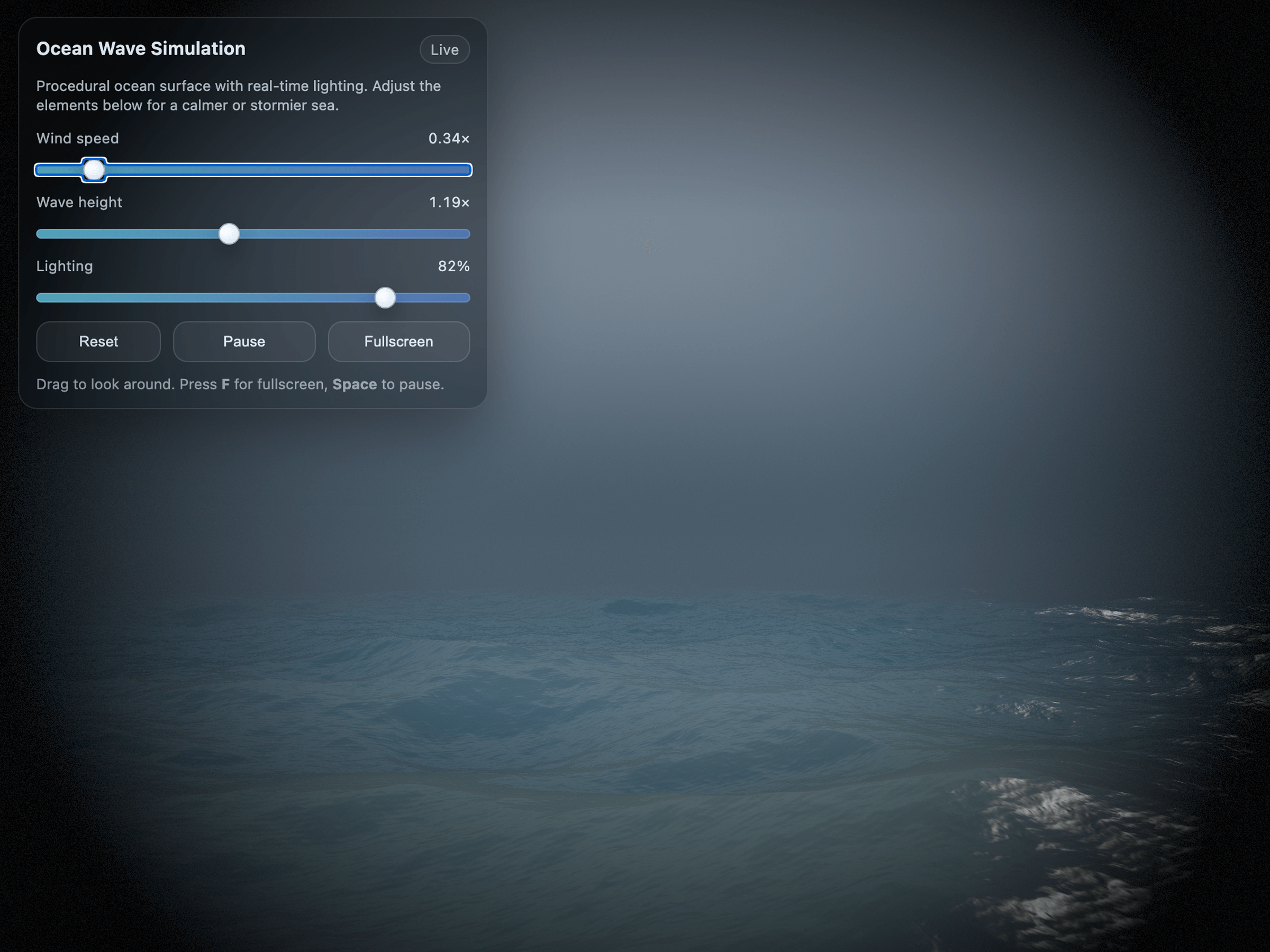
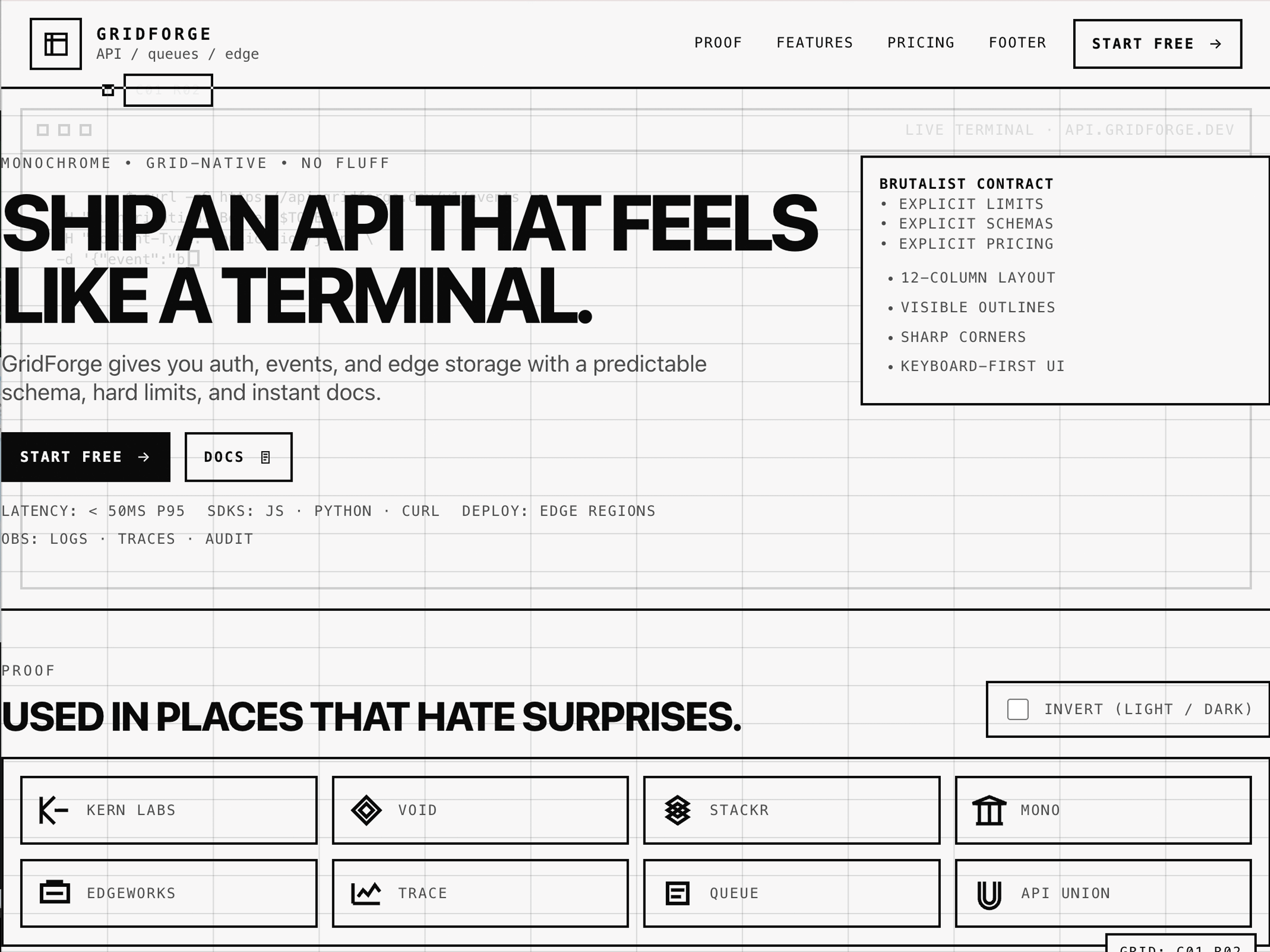
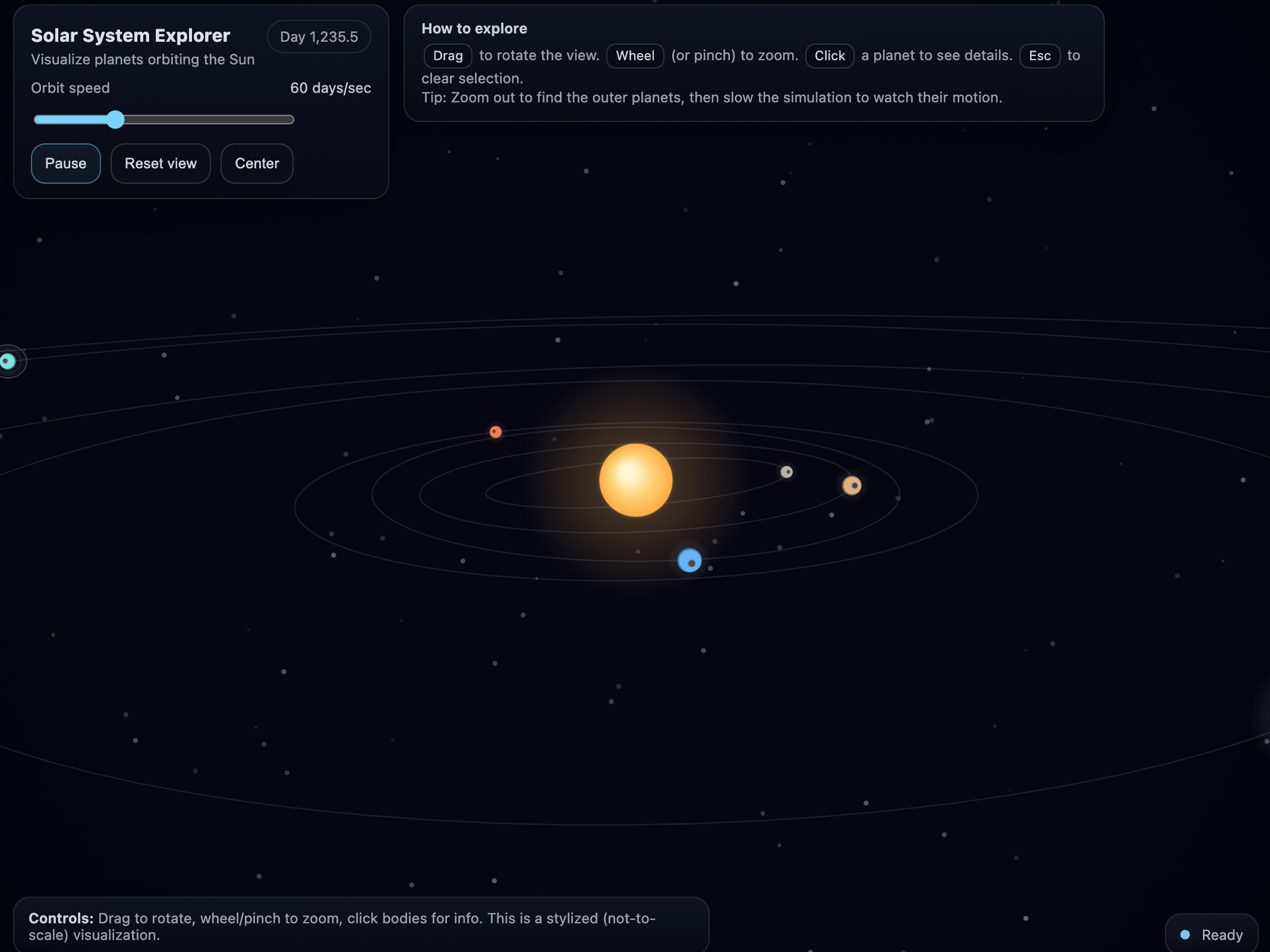
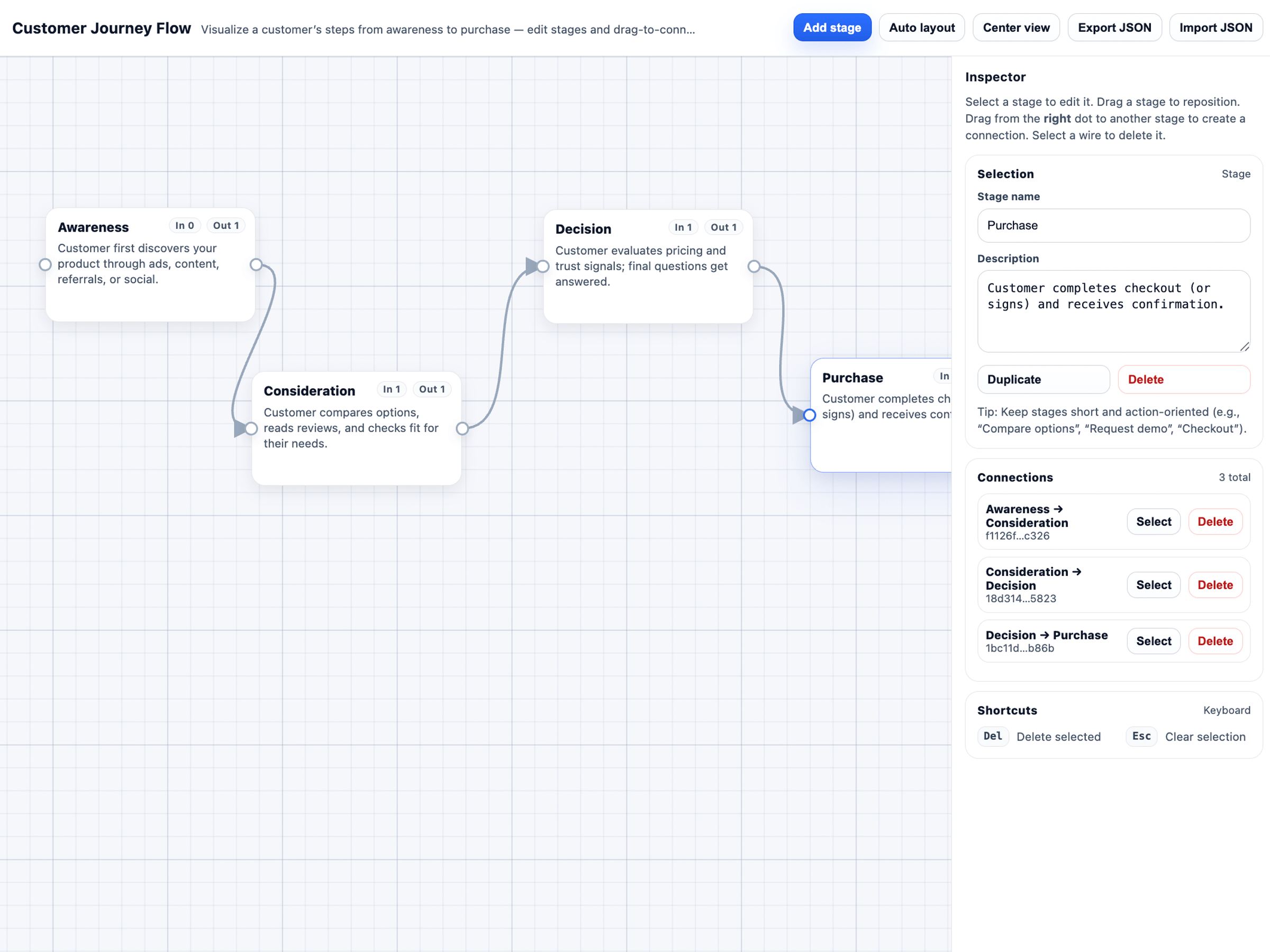
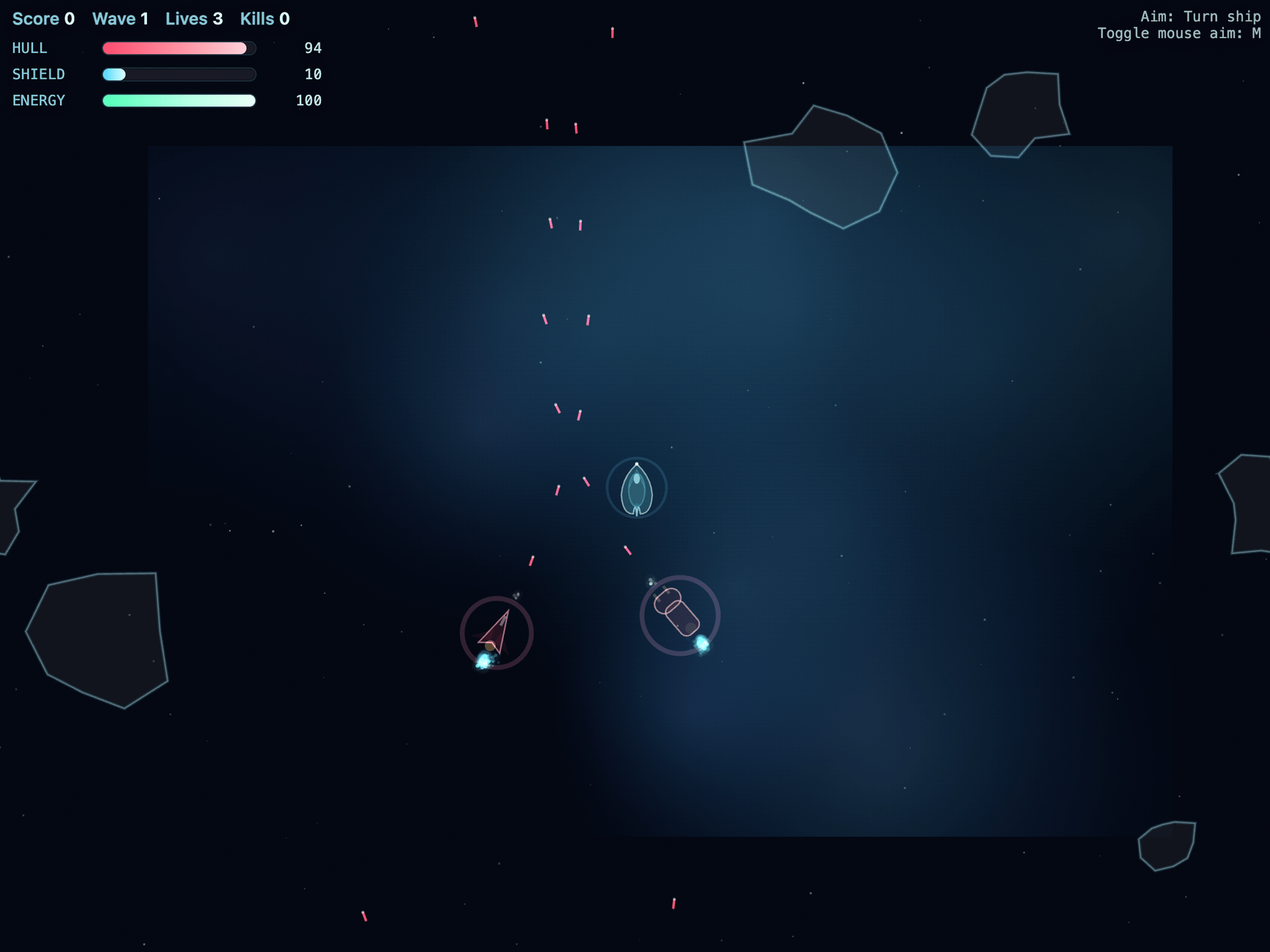
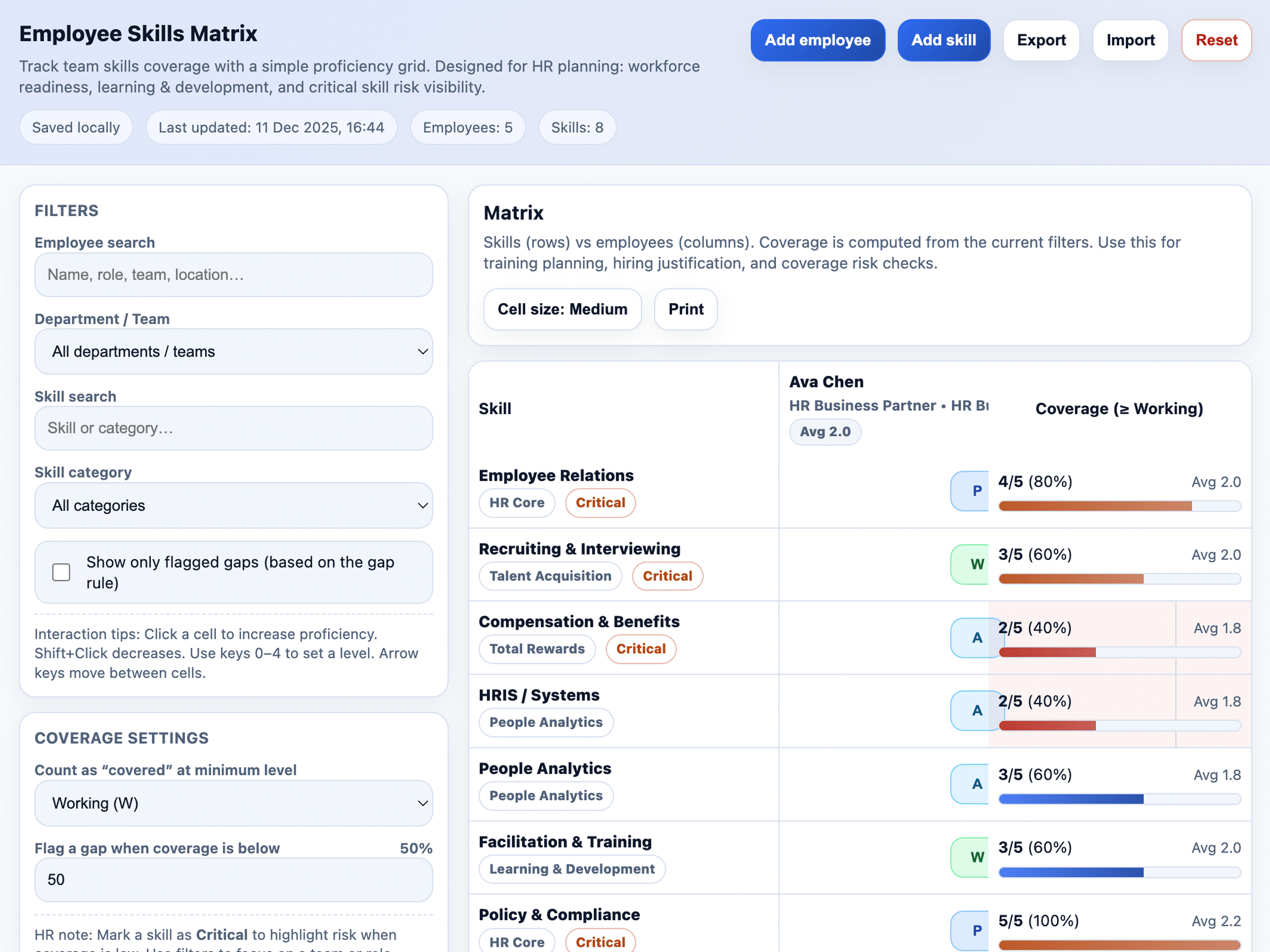
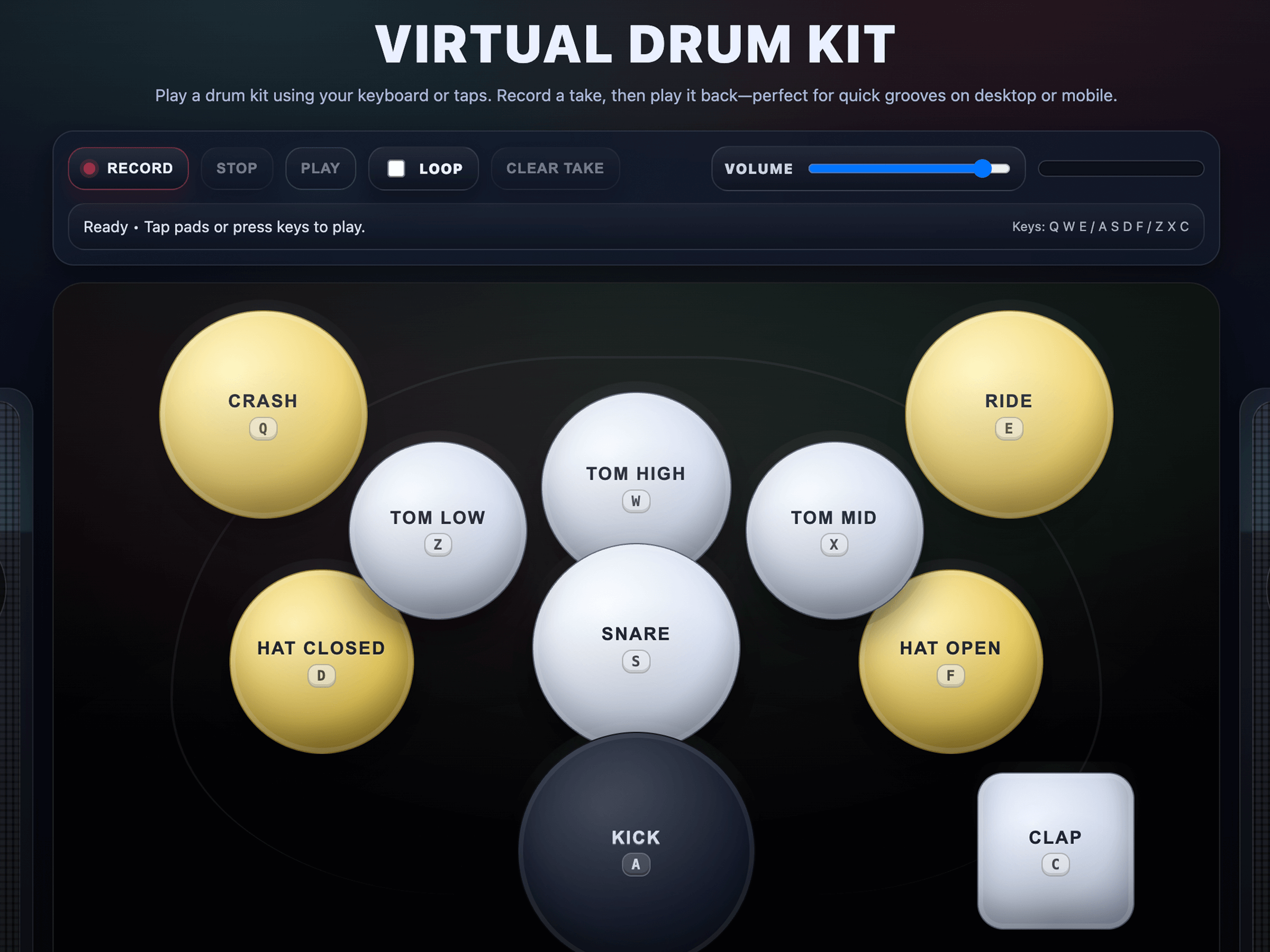
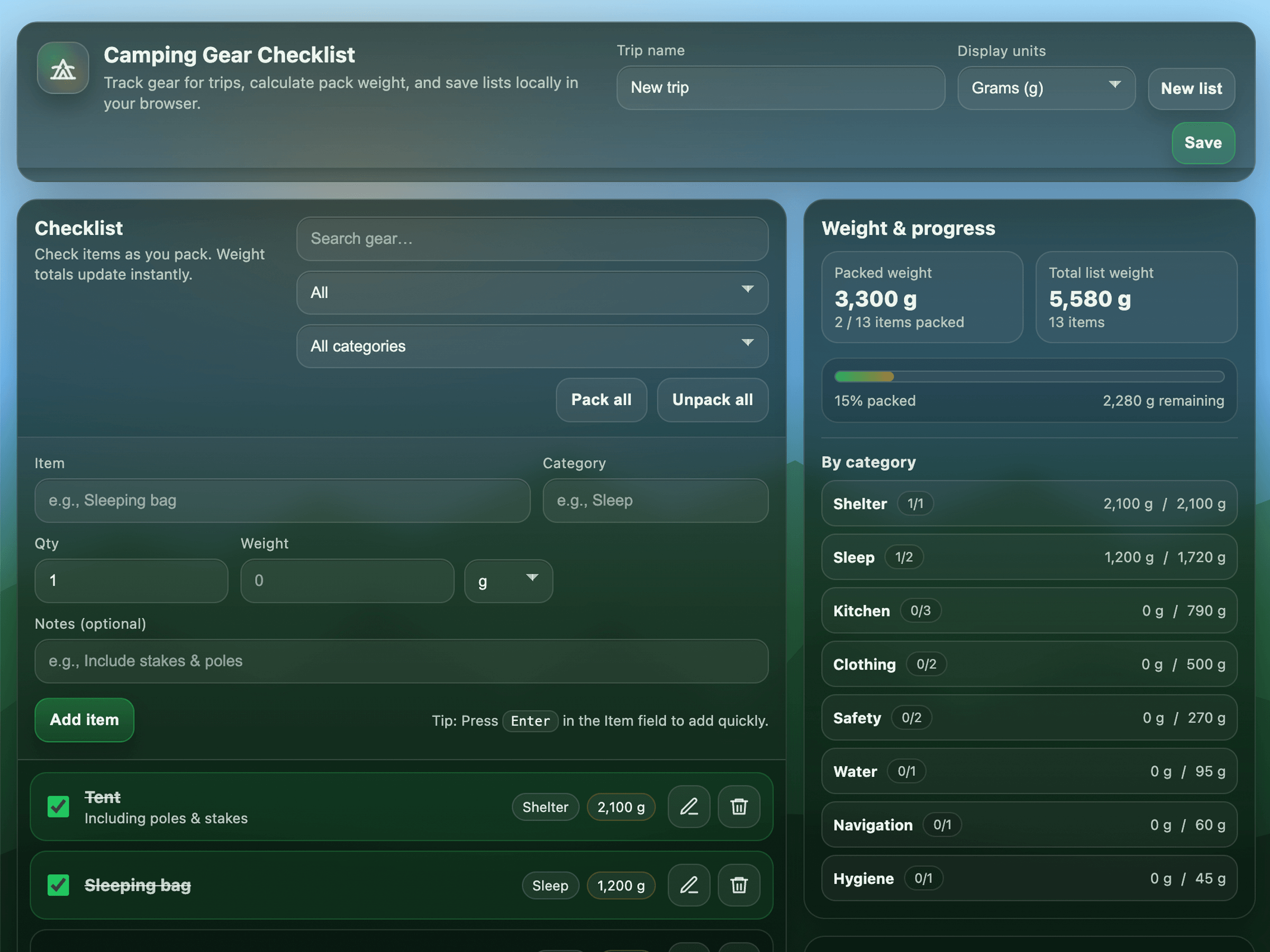
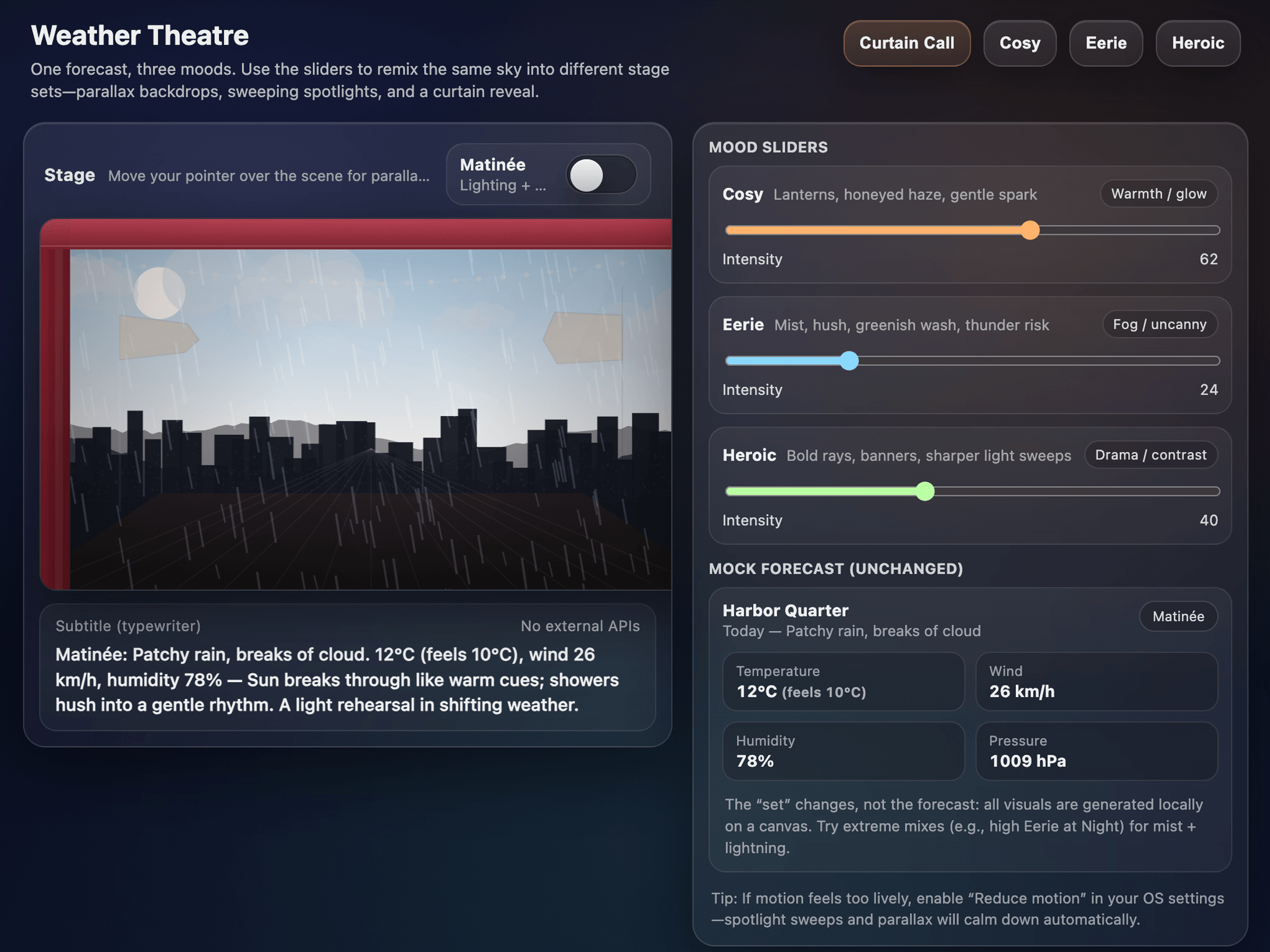
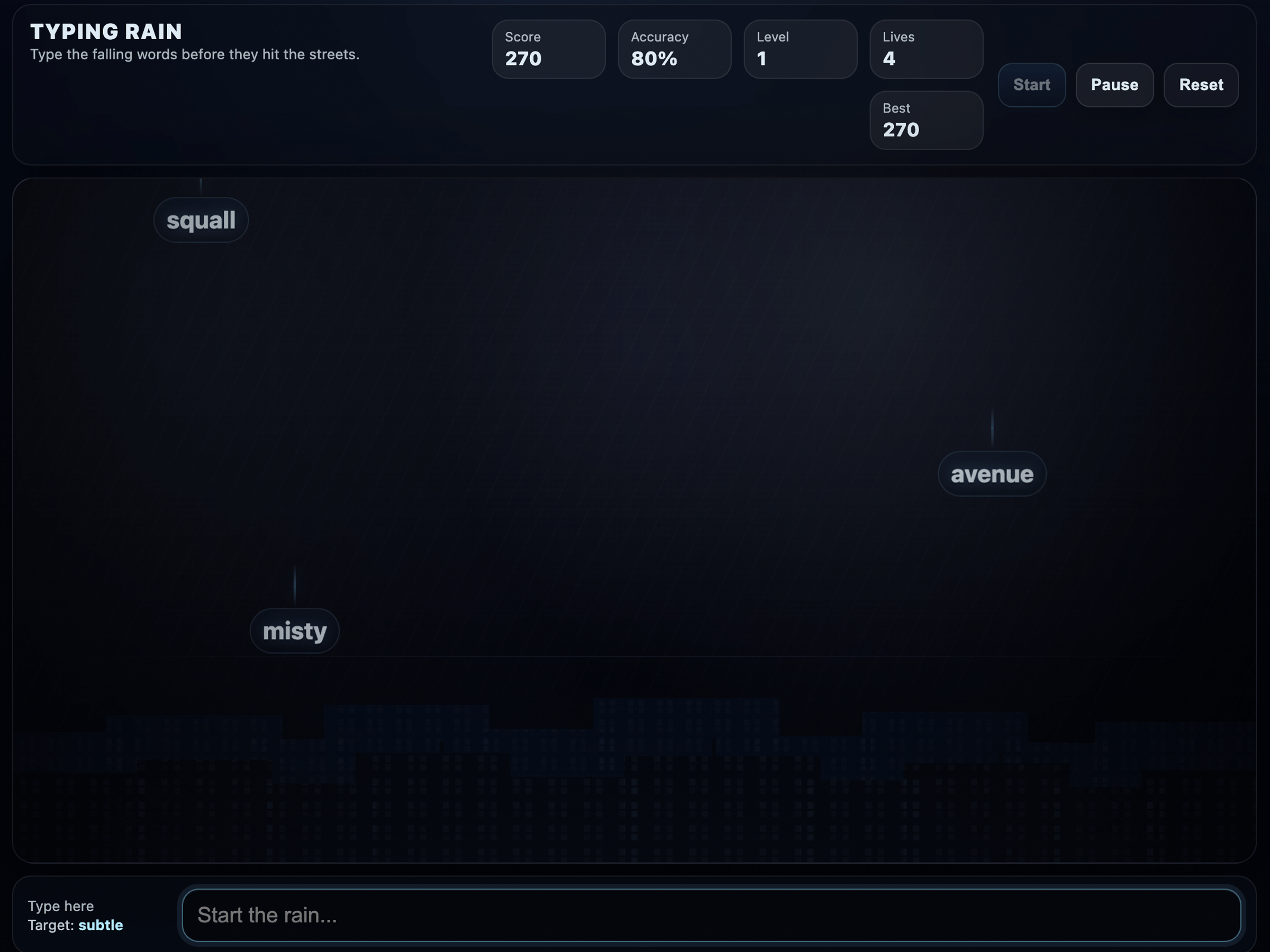
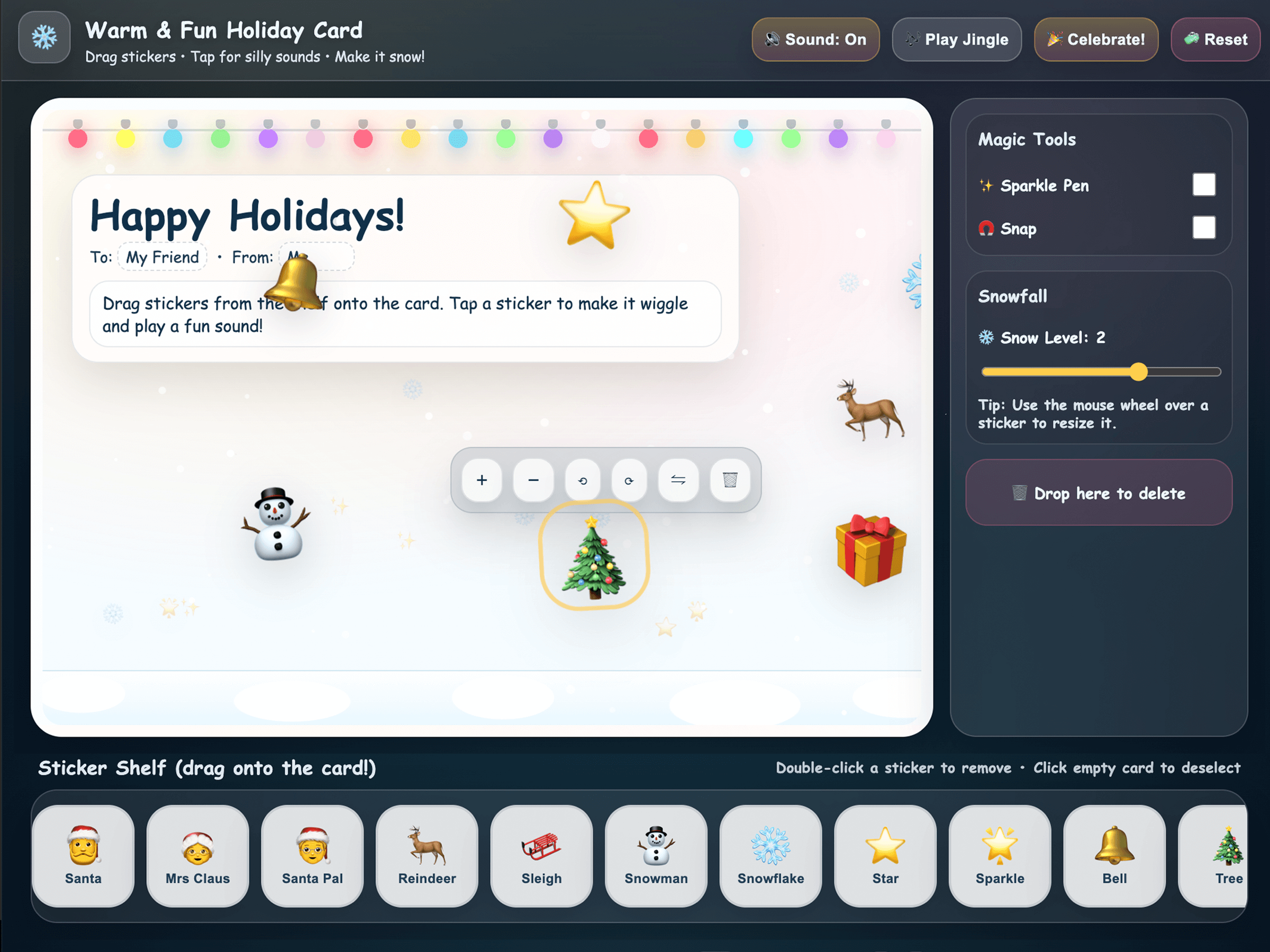
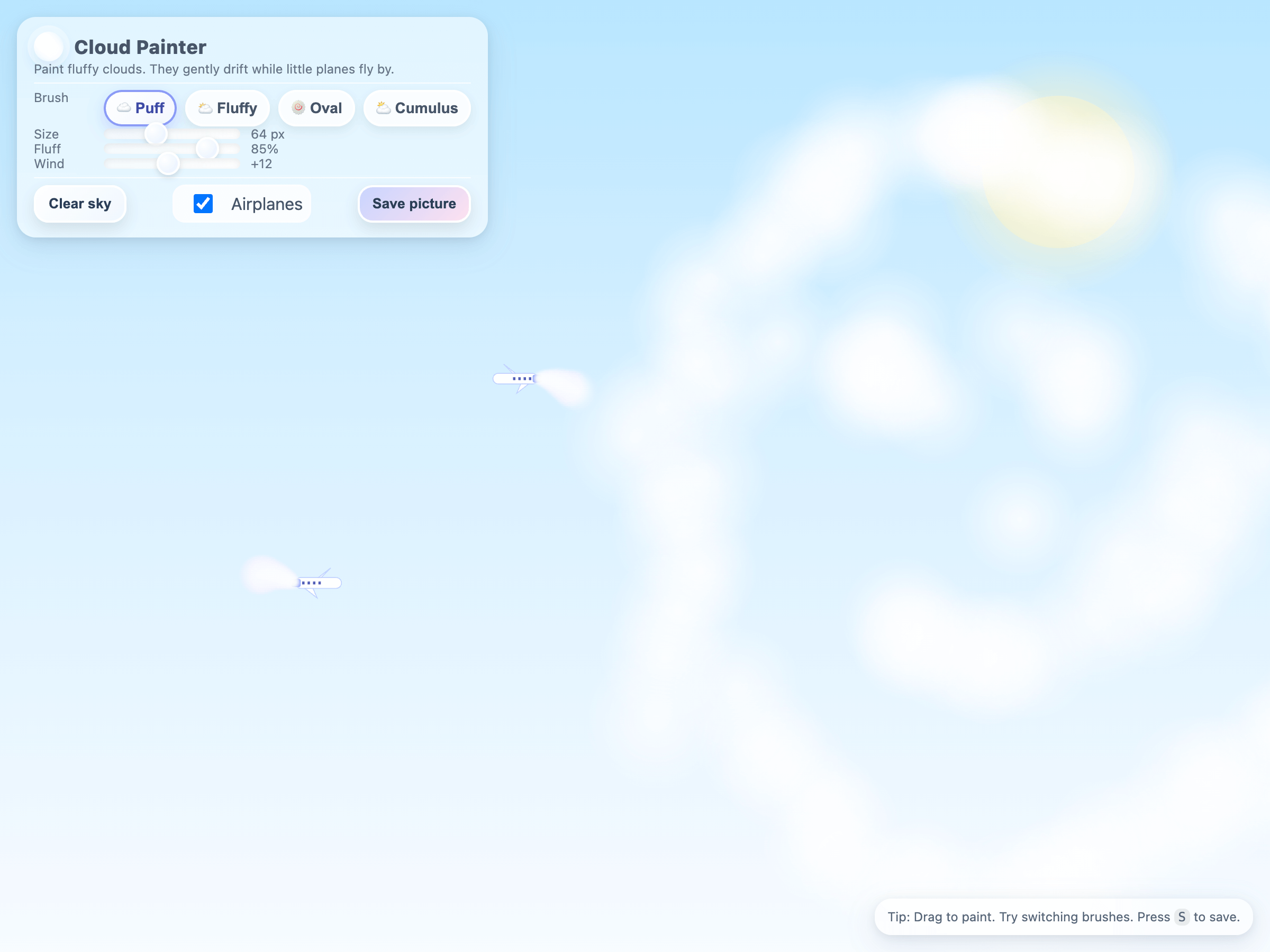
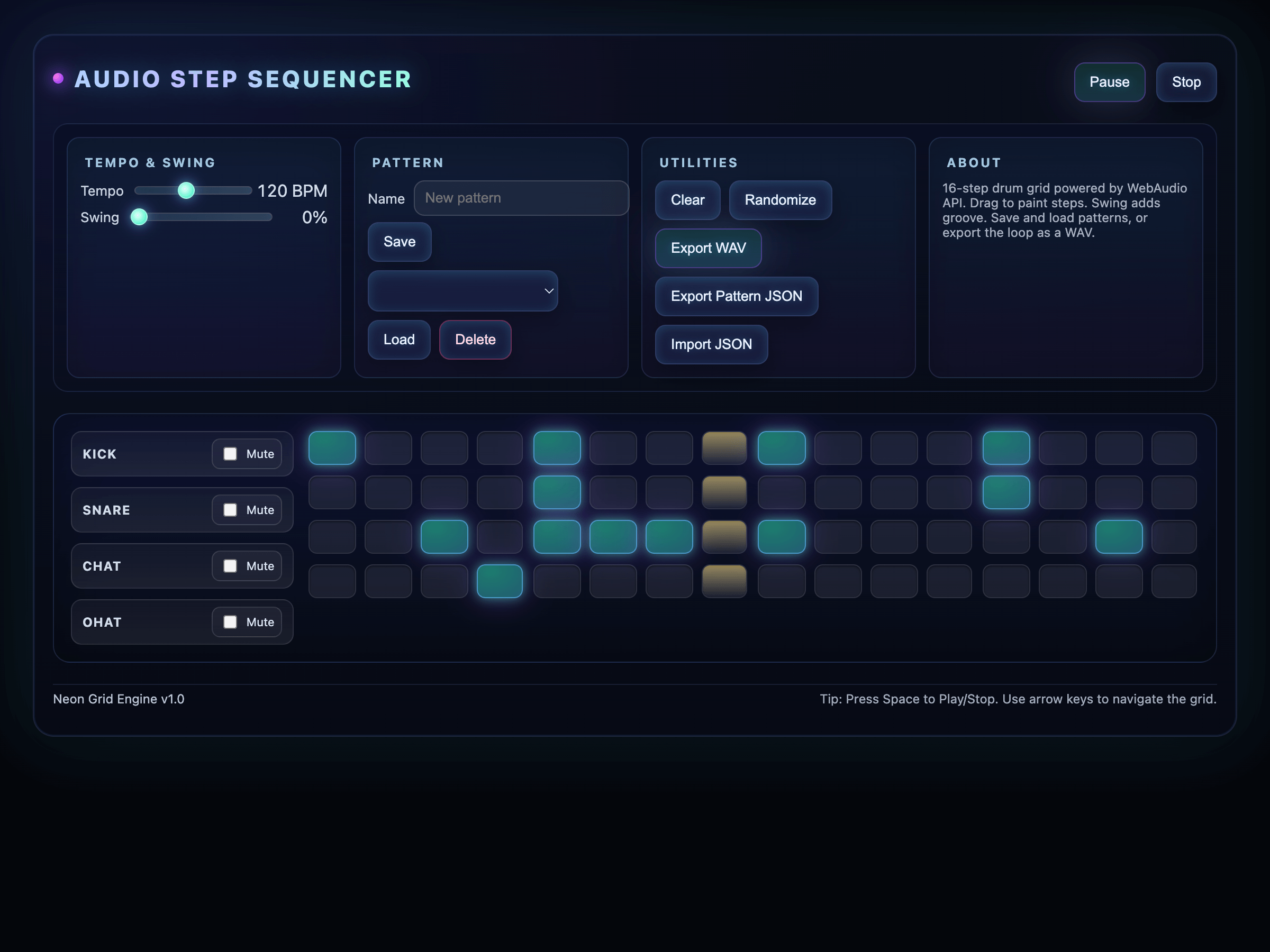
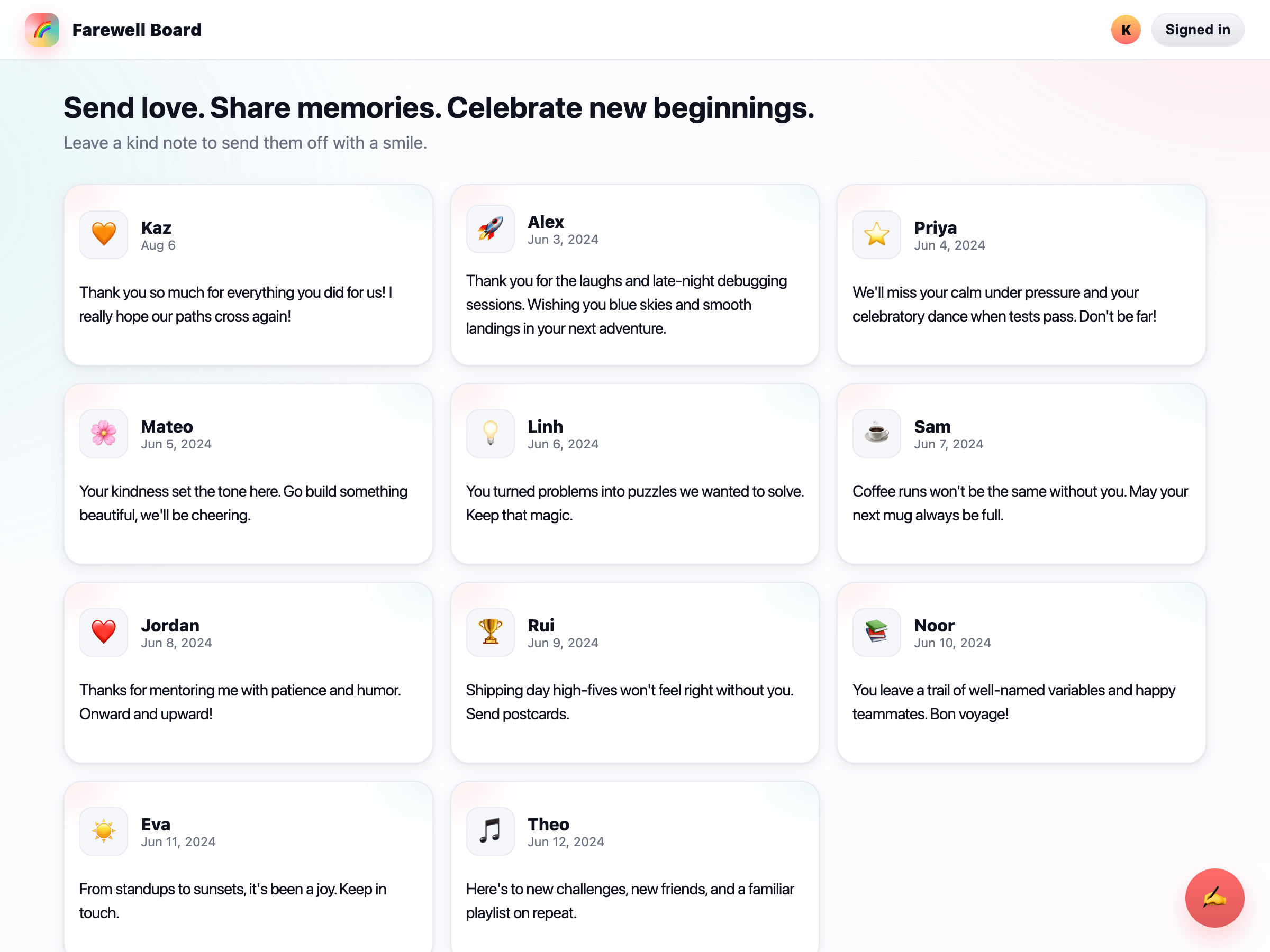
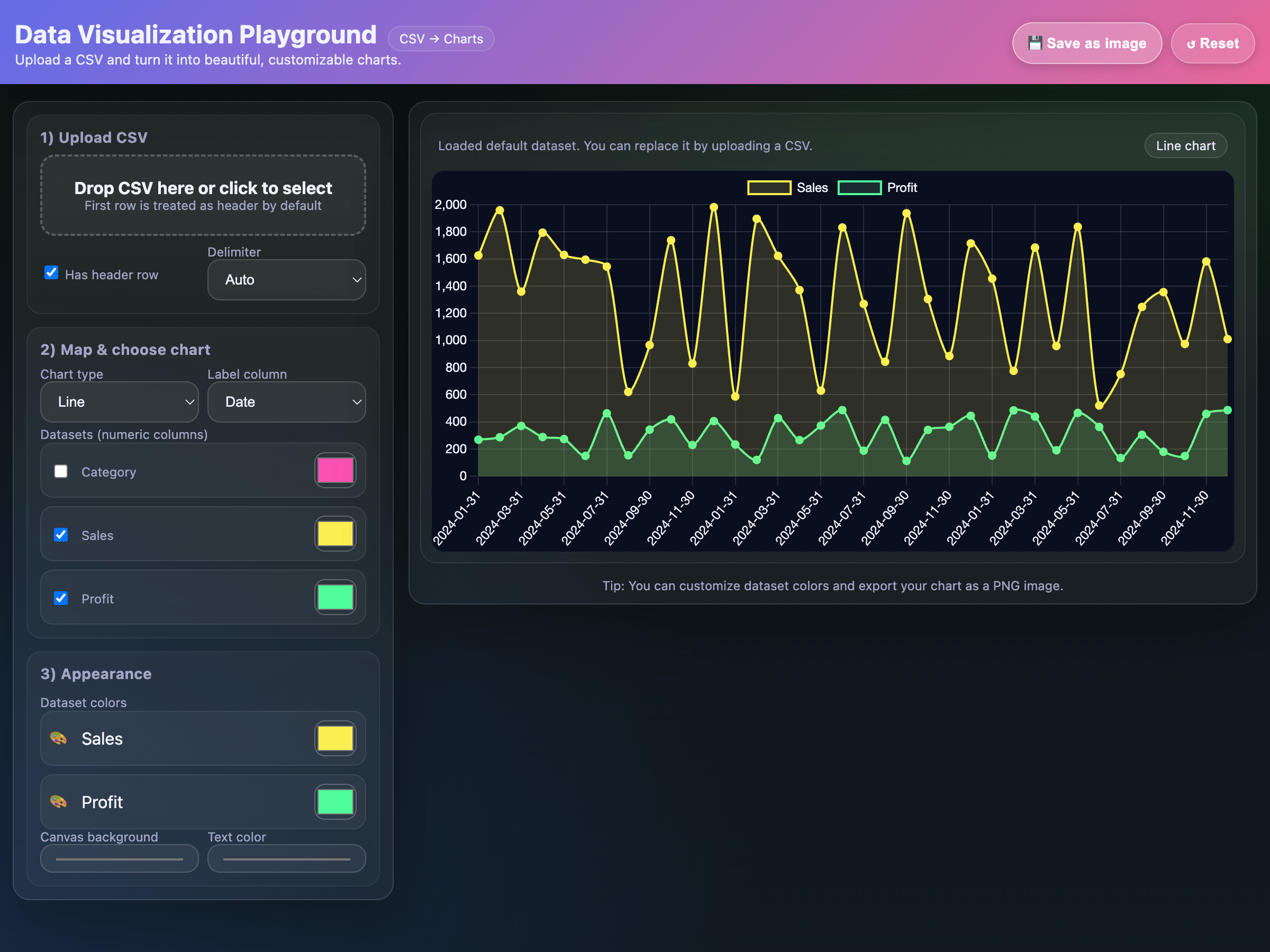
我们的 GPT-5 系列模型在前端开发方面表现尤为出色,搭配 Codex 等编程智能体执行框架时更是如此。
以下演示应用均由单个提示一次生成,没有手写代码。您可以用它们评估前端生成质量,以及适用于以 UI 为主的代码生成工作流的提示模式。