
In this collection
-
Understand large codebases
Trace request flows, map unfamiliar modules, and find the right files fast.
-
Upgrade your API integration
Upgrade your app to the latest OpenAI API models.
-
Refactor your codebase
Remove dead code and modernize legacy patterns without changing behavior.
-
Run code migrations
Migrate legacy stacks in controlled checkpoints.
-
Migrate a validation module
Upgrade one module and prove that its public behavior still holds.
-
Save workflows as skills
Create a skill Codex can keep on hand for work you repeat.
-
Create a CLI Codex can use
Give Codex a composable command for an API, log source, export, or team script.
-
Run verified operations
Run repeatable workflows and verify the result.
-
Follow a goal
Give Codex a durable objective for long-running work.
-
Keep documentation up-to-date
Use code and other sources to automate docs updates.
-
Kick off coding tasks from Slack
Delegate repository work from Slack threads.
-
Automate bug triage
Turn daily bug reports into a prioritized list, then automate the sweep.
-
Investigate an incident and test a fix
Turn an incident packet into a reproduced bug, a focused patch, and a reviewable handoff.
-
Review GitHub pull requests
Catch regressions and potential issues before human review.
-
QA your app with Computer Use
Click through real product flows and log what breaks.
-
Turn an issue into a tested pull request
Hand off a small feature with acceptance criteria and review the evidence.
-
Add evals to your AI application
Use Codex to turn expected behavior into a Promptfoo eval suite.
The use cases in this collection are useful when Codex is working in a repo that already has history, tests, owners, and production constraints. Codex is particularly good at navigating complex codebases, including sprawling monorepos with lots of different services and dependencies. If you’re working on a production system, get familiar with these use cases to understand how Codex can help you.
Start with a codebase tour
Use Codex to get familiar with a complex codebase, which is especially useful when onboarding onto a repo for production software.
Modernize the codebase
Leverage Codex to plan tech stack migrations, upgrade your integration to the latest models if applicable, and refactor the codebase to improve readability and maintainability.

Upgrade your API integration
Use Codex to update your existing OpenAI API integration to the latest recommended models...
Refactor your codebase
Use Codex to remove dead code, untangle large files, collapse duplicated logic, and...
Run code migrations
Use Codex to map a legacy system to a new stack, land the move in milestones, and validate...
Migrate a validation module
Give Codex a bounded migration brief, contract fixtures, and a prepared cloud environment
Codify repeatable work
Ask Codex to turn repo-specific workflows or checklists into a skill, so that all repo contributors can benefit from a standardized process.

Save workflows as skills
Turn a working Codex chat, review rules, test commands, release checklists, design...
Create a CLI Codex can use
Ask Codex to create a composable CLI it can run from any folder, combine with repo scripts...
Run verified operations
Use ChatGPT to normalize inputs, run approved scripts or APIs, retry bounded failures, and...
Follow a goal
Use `/goal` when a task needs Codex to keep working across turns toward a verifiable...
Keep documentation current
Ask Codex to compare source changes with existing docs, update the smallest useful docs surface, and verify the changes.

Maintain system health
Let Codex pick up feature requests and bug fixes automatically by using it from Slack and connecting it to your alerting, issue tracking, and daily bug sweeps.

Kick off coding tasks from Slack
Mention `@ChatGPT` in Slack to request repository work in an eligible workspace-shared Codex...

Automate bug triage
Ask Codex to check recent alerts, issues, failed checks, logs, and chat reports, tune the...
Investigate an incident and test a fix
Give Codex Cloud a sanitized incident packet and a working test environment
Avoid the review bottleneck
Use Codex to automatically review PRs and run focused QA passes on critical flows, so you can catch issues quickly and ship updates confidently.
Review GitHub pull requests
Use Codex code review in GitHub to automatically surface regressions, missing tests, and...
QA your app with Computer Use
Use Computer Use to exercise key flows, catch issues, and finish with a bug report.
Turn an issue into a tested pull request
Give Codex a scoped issue, a prepared cloud environment, and explicit checks
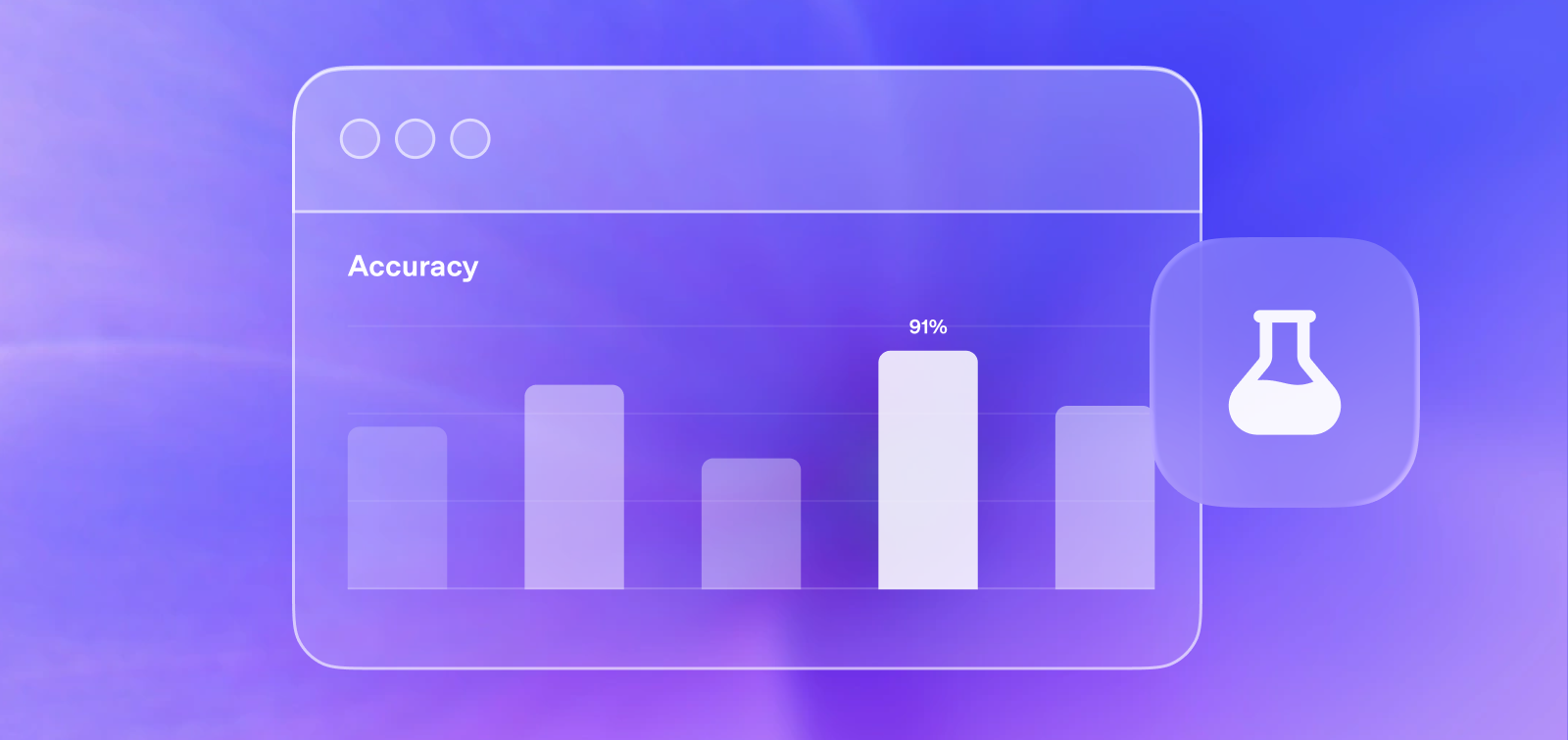
Add evals to your AI application
Ask Codex to inspect your AI application, identify the behavior you want to evaluate, and...