Primary navigation
← All projects

Glass Towers

Author: OpenAI

A minimalist 3D balancing game built from translucent forms.

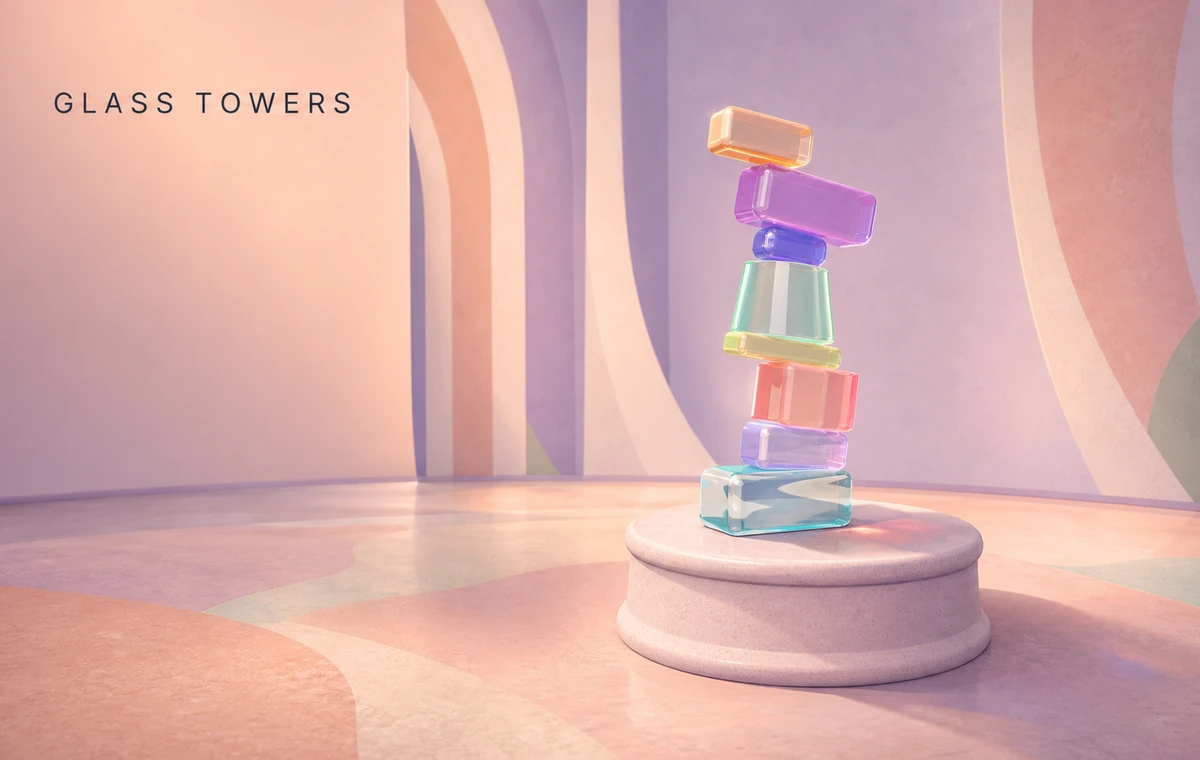
Glass Towers app screenshot

Description

Glass Towers is a physics-based browser game built with Codex and GPT-5.6. Players drop varied glass pieces onto a pedestal, balancing shape, mass, and momentum to create the tallest stable sculpture.

Build notes

Initial prompt

Build “Glass Towers,” a minimalist 3D browser game about balancing translucent objects. Place a small pedestal in the center of the scene. The player moves the next glass piece horizontally, then clicks, taps, or presses Space to drop it. The goal is to create the tallest stable sculpture; the run ends when a piece falls off the pedestal.

Use Three.js or React Three Fiber and a lightweight physics library if helpful. Create a reusable set of attractive glass shapes with different sizes and centers of mass. Focus on convincing transparency, reflections, soft studio lighting, and satisfying impact animation without sacrificing performance. Include a score, local best score, next-piece preview, restart control, and clean game-over state.

Support mouse, touch, and keyboard. Run build and lint, then play several runs in the browser to verify collisions, scoring, failure, and restart with no console errors.

Iterations

  1. Brought an existing tower-stacking physics prototype and clean camera controls into a more capable WebAssembly and WebGPU engine, enabling native-quality browser rendering and high-performance physics.

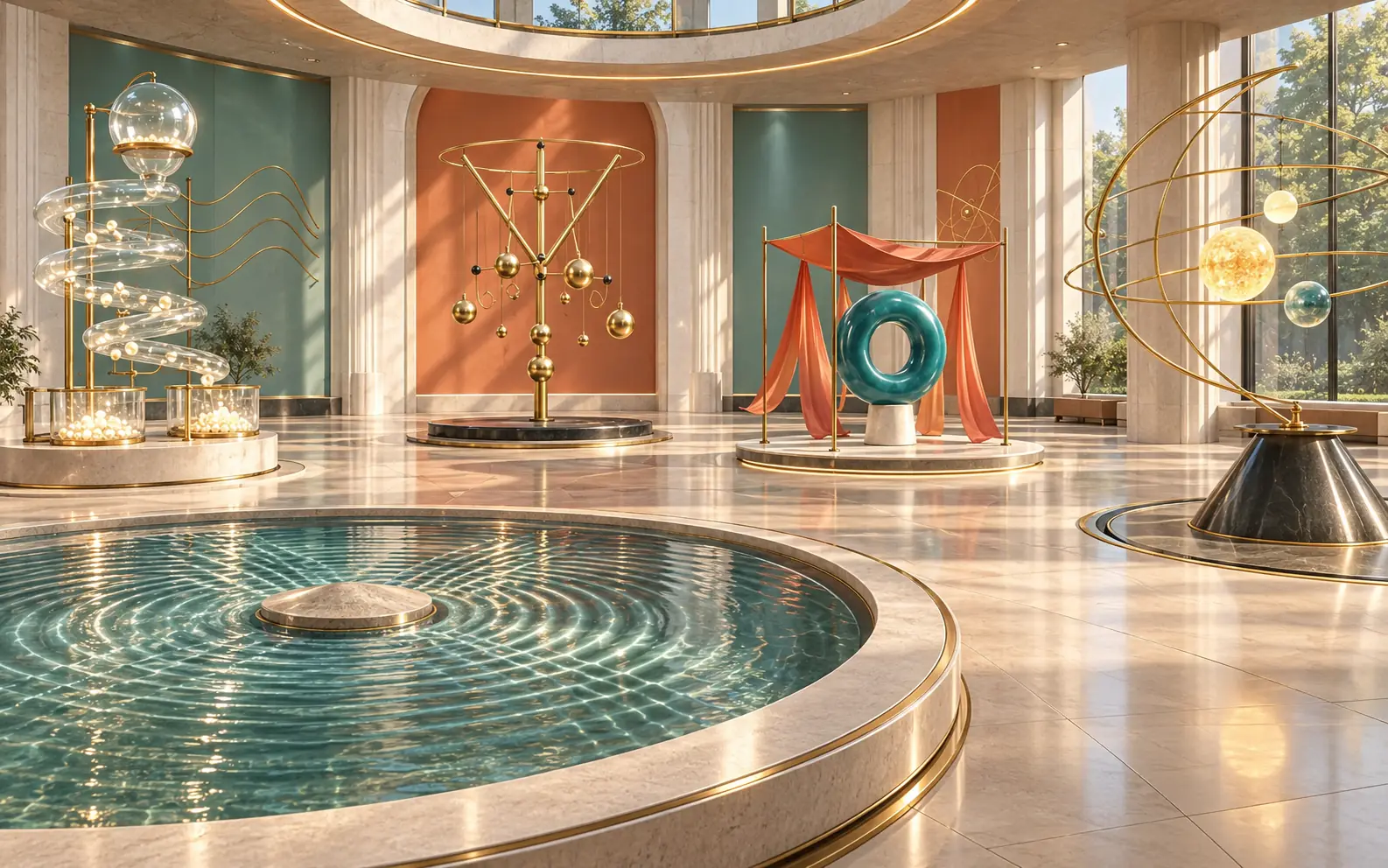
  2. Got the core game running quickly, then used GPT-5.6 Ultra for repeated passes on the gallery environment, replacing low-quality assets and a static-image look with refined geometry, shaders, and a fully rendered background.

  3. Upgraded the glass materials to take advantage of WebGPU, improving transmission quality, contrast, and readability against the pastel environment.

  4. Made the camera smoothly track upward as the tower grows and descend with a collapse while keeping the structure visible.

  5. Rebalanced placement so repeated stationary clicks were no longer optimal and added block-size scaling to make each stack more varied.

  6. Final step

    Completed an intensive polish pass across WebGPU rendering, environment assets, glass materials, camera behavior, and placement balance, then published the standalone build.

Related projects