.md
Try these ChatGPT and Codex workflows
Turn your data into a private dashboard and keep it up to date.
Turn Slack threads, survey exports, and issue queues into clear themes and follow-ups.
Process tabular data without affecting the original.
Rank drug targets across multiple evidence lanes.
Review single-cell QC, annotations, and UMAPs in one chat.
Validate bulk RNA-seq inputs before differential expression.
Find the liquidity low point in an editable forecast workbook.
Turn financial inputs into an editable valuation workbook.
Turn plan, actuals, and close notes into a variance workbook.
Find vulnerabilities in your code, review the evidence, and decide what needs attention.
Trace request flows, map unfamiliar modules, and find the right files fast.
Check proposed changes for security risks before they merge.
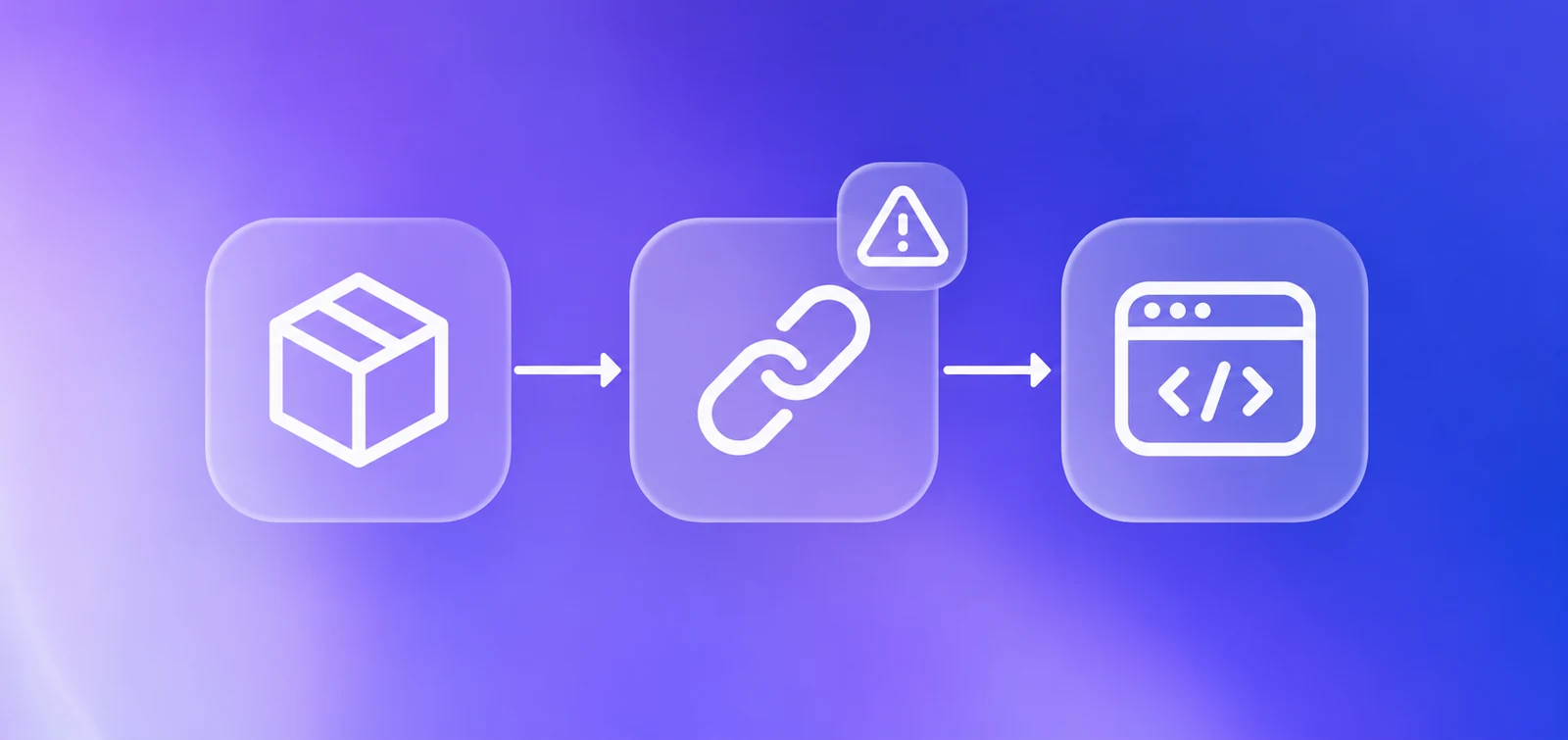
Investigate dependency alerts and check package updates for security risks.
Inspect changes and investigate security findings while you work.
Define what to protect, which rules to check, and what to report.
Search an authorized repository deeply for plausible vulnerabilities.
Turn dense source material into a clear, reviewable learning report.
Review a pull request or local diff for security regressions.
Turn a public package advisory into a safe repo-audit plan.
Use Codex as a scored improvement loop to solve hard tasks.
Turn recurring KPI, close, and forecast inputs into a sourced performance narrative.
Turn company progress, financial metrics, and owner updates into a source-backed reporting pack.
Run security scans across repositories and review the findings and coverage.
Combine evidence, tradeoffs, and open questions into one recommendation.
Run security checks on your own triggers and keep the results for review.
Review selected code changes and inspect security evidence from your terminal.
Scan pull requests, commits to main, or your repository on a schedule.
Explain movements across actuals, budget, and forecast with source-backed drivers.
Review scoring patterns without assigning or changing grades.
Check formulas, links, tie-outs, and assumptions before a high-stakes review.
Turn experiment or launch results into a scale, change, or stop recommendation.
Compare strategic paths with assumptions, risks, cost, timing, and impact.
Turn governance context into a review-ready meeting packet.
Update assumptions and compare base, upside, and downside plans.
Review a course as one connected system.
Build a source-linked evidence base for research or proposals.
Turn de-identified course exports into a faculty review view.
Turn an incident packet into a reproduced bug, a focused patch, and a reviewable handoff.
Try clearing a few filters or searching for a broader term.
Loading docs agent...