.md
Try these ChatGPT and Codex workflows
Turn notes, data, or an existing presentation into a slide deck.
Turn daily bug reports into a prioritized list, then automate the sweep.
Turn protein-folding hypotheses into benchmarked experiment loops.
Turn your data into a private dashboard and keep it up to date.
Turn Slack threads, survey exports, and issue queues into clear themes and follow-ups.
Process tabular data without affecting the original.
Rank drug targets across multiple evidence lanes.
Review single-cell QC, annotations, and UMAPs in one chat.
Validate bulk RNA-seq inputs before differential expression.
Find the liquidity low point in an editable forecast workbook.
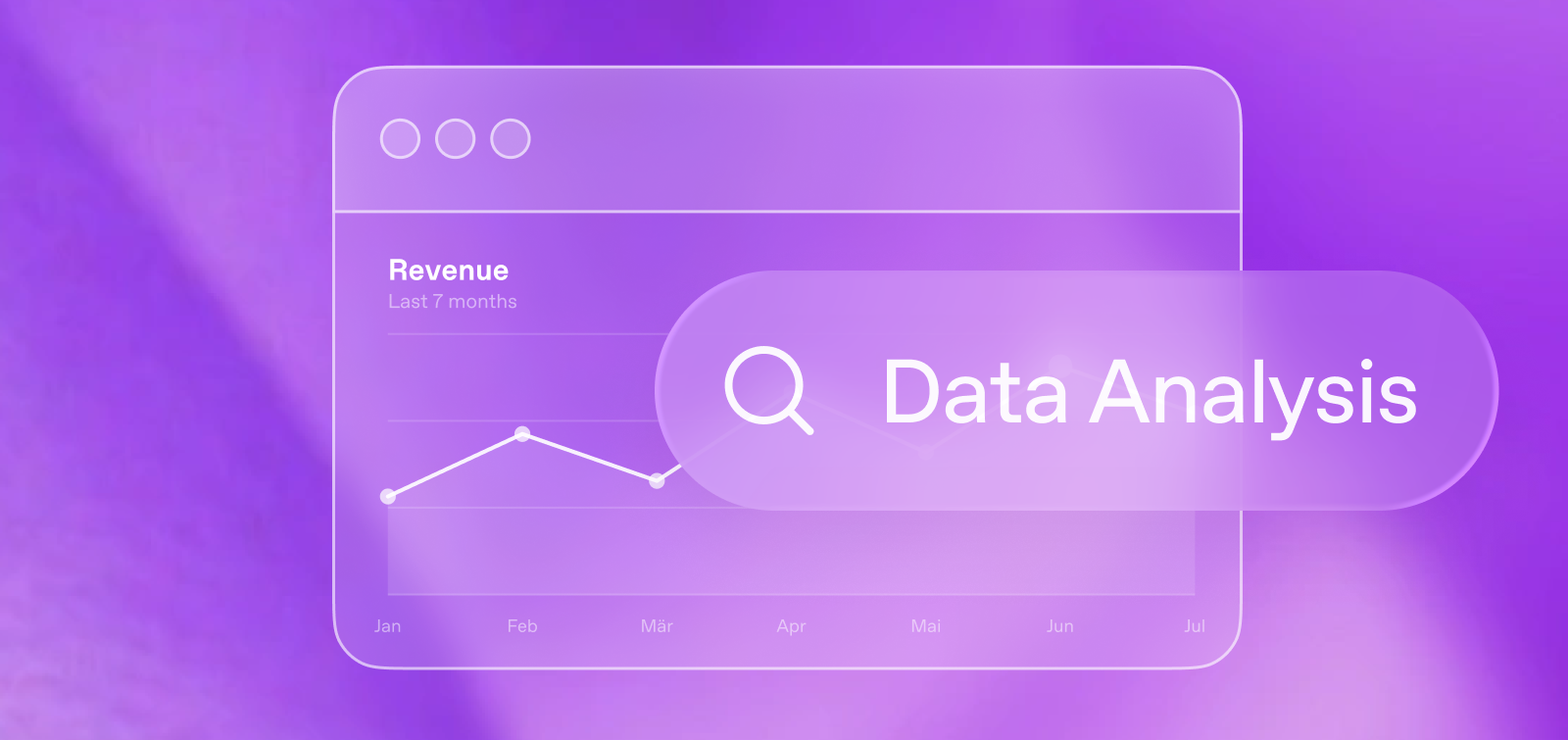
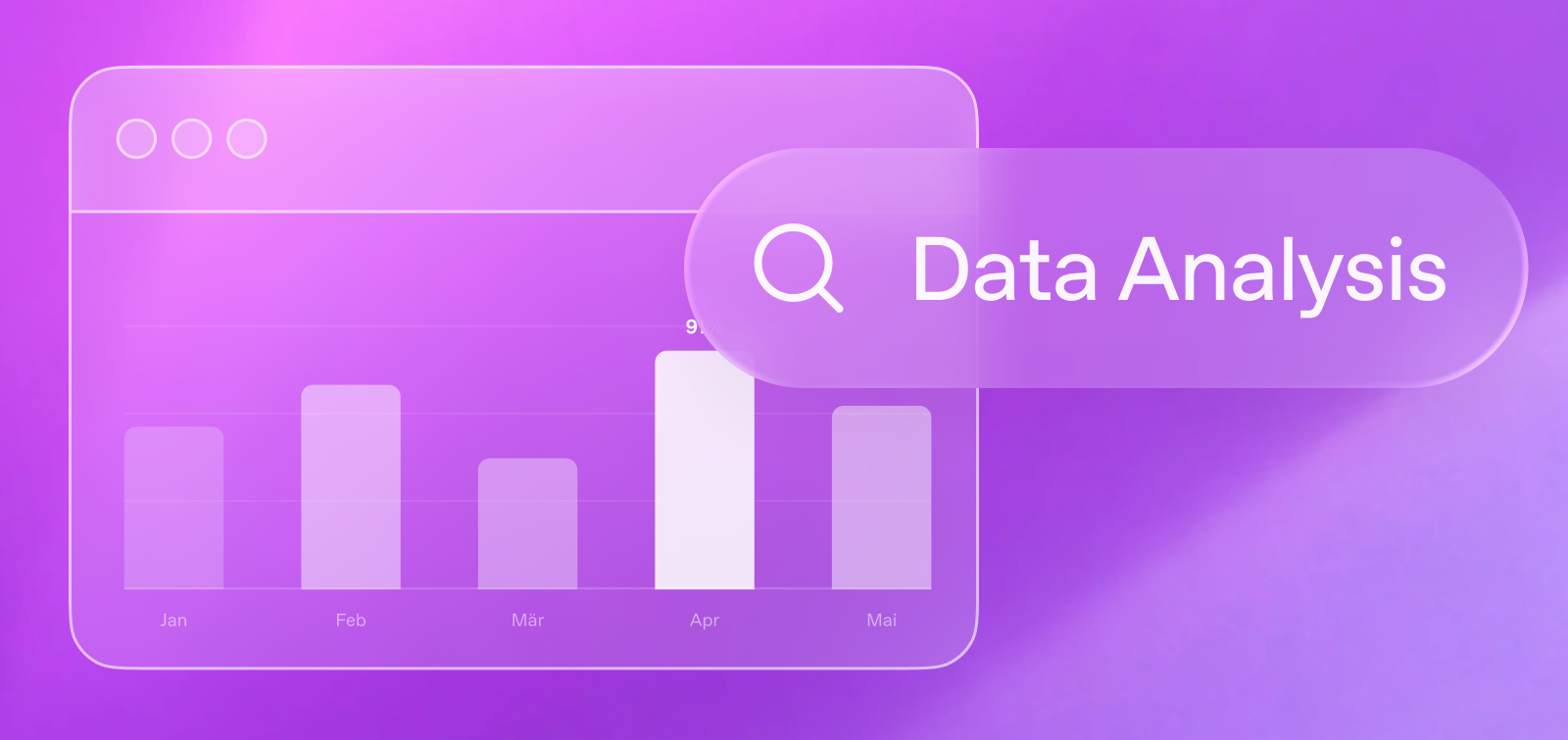
Turn messy data into clear analysis and visualizations.
Turn financial inputs into an editable valuation workbook.
Turn plan, actuals, and close notes into a variance workbook.
Find vulnerabilities in your code, review the evidence, and decide what needs attention.
Prepare onboarding trackers, team summaries, and welcome-space drafts.
Search an authorized repository deeply for plausible vulnerabilities.
Turn dense source material into a clear, reviewable learning report.
Turn reviewed findings into minimal fixes with regression evidence.
Review a pull request or local diff for security regressions.
Turn a public package advisory into a safe repo-audit plan.
Click through real product flows and log what breaks.
Turn recurring KPI, close, and forecast inputs into a sourced performance narrative.
Turn company progress, financial metrics, and owner updates into a source-backed reporting pack.
Run security scans across repositories and review the findings and coverage.
Explain an unexpected metric movement with evidence and next actions.
Define metrics, owners, quality checks, and the decisions a dashboard supports.
Turn recurring initiative context into a clear leadership readout.
Rank accounts by risk, upside, urgency, and next action.
Decide which deals belong in commit, upside, or pull.
Turn an ambiguous stakeholder ask into a validated analysis plan.
Combine evidence, tradeoffs, and open questions into one recommendation.
Explain what changed, why an initiative slipped, and what decision is needed.
Compare shared courses while preserving instructor discretion.
Explain movements across actuals, budget, and forecast with source-backed drivers.
Review scoring patterns without assigning or changing grades.
Check formulas, links, tie-outs, and assumptions before a high-stakes review.
Turn experiment or launch results into a scale, change, or stop recommendation.
Compare strategic paths with assumptions, risks, cost, timing, and impact.
See time conflicts, workload clusters, bills, and budget together.
Update assumptions and compare base, upside, and downside plans.
Turn de-identified course exports into a faculty review view.
Review the last 30 days and stay ahead of anything unusual.
Use Codex to turn expected behavior into a Promptfoo eval suite.
Join spreadsheet exports into one refreshable workbook.
Try clearing a few filters or searching for a broader term.
Loading docs agent...